

Coco Peat
Our coco peat is a natural, renewable growing medium made from coconut husk, processed at our Sathyamangalam facility for use in horticulture, floriculture, and soil conditioning applications worldwide.
With excellent water retention, aeration, and drainage properties, it's suited to a wide range of uses — as a standalone growing substrate, a soil conditioner for improving poor or depleted soils, a base material for composting, or as animal bedding.
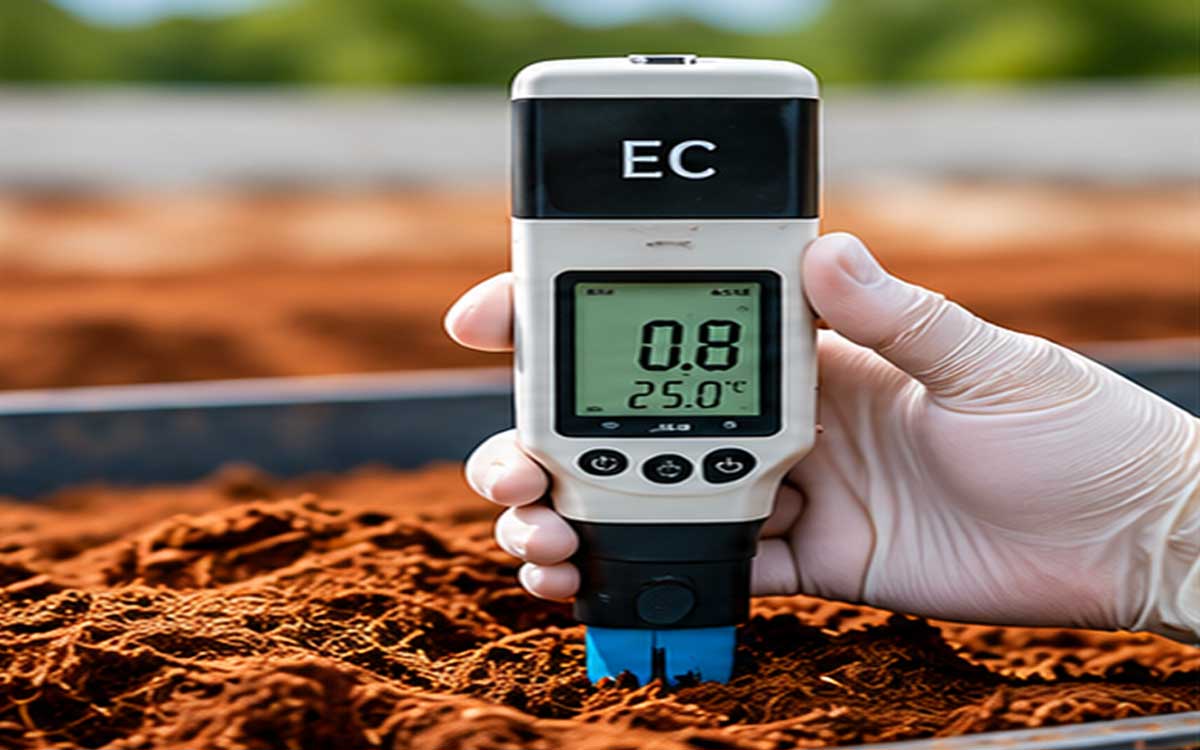
Every block is processed from raw husk to finished product within our own facility, with daily EC and moisture testing to ensure consistent quality batch after batch.
Our Manufacturing Process
From raw coconut husks to quality-tested coco peat products.
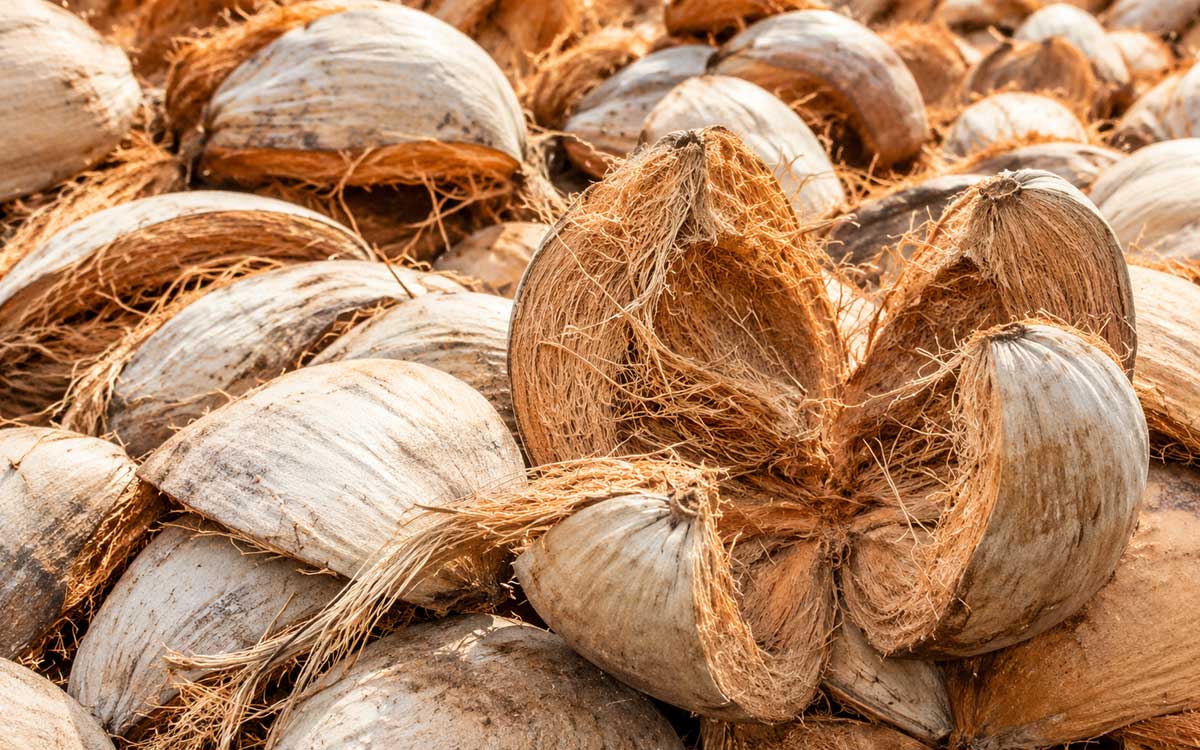
Raw Material Sourcing
Coconut husks are sourced from local growers across Tamil Nadu's coconut belt, close to our Tirupur facility. Each intake batch is checked for quality before entering our processing line.
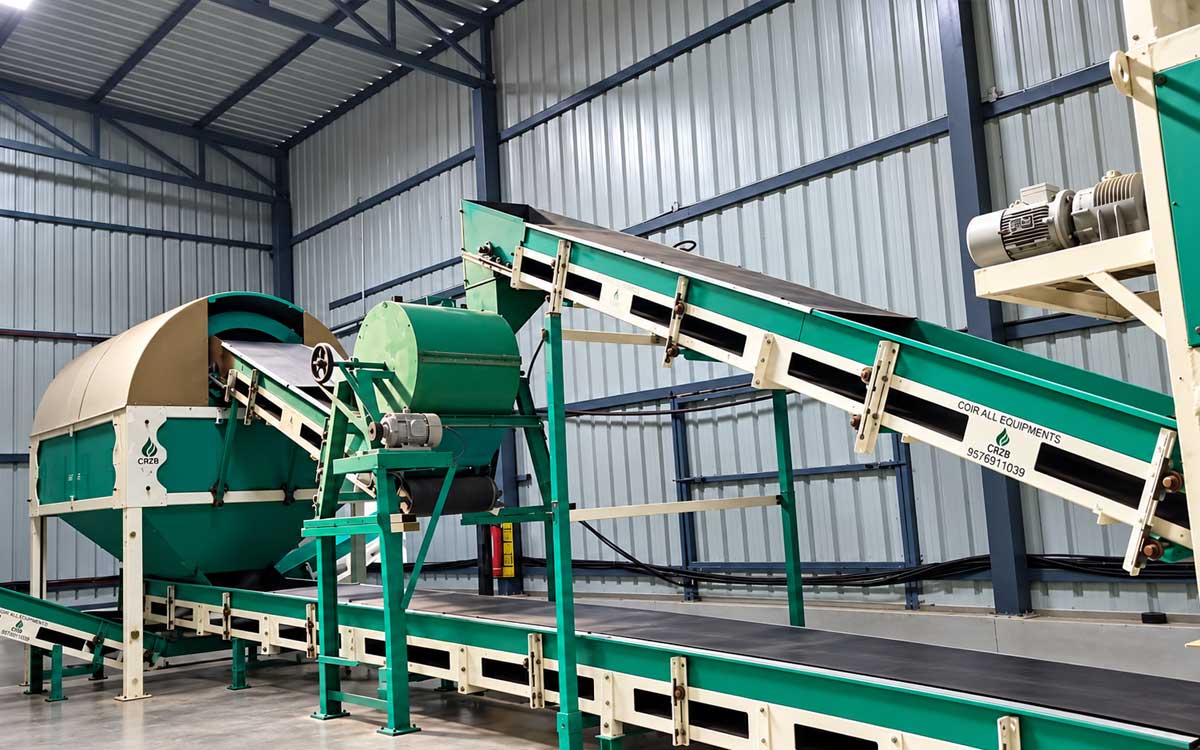
Coconut Husk Processing
The primary raw material coconut husks are processed to extract coir fibre and coir pith.
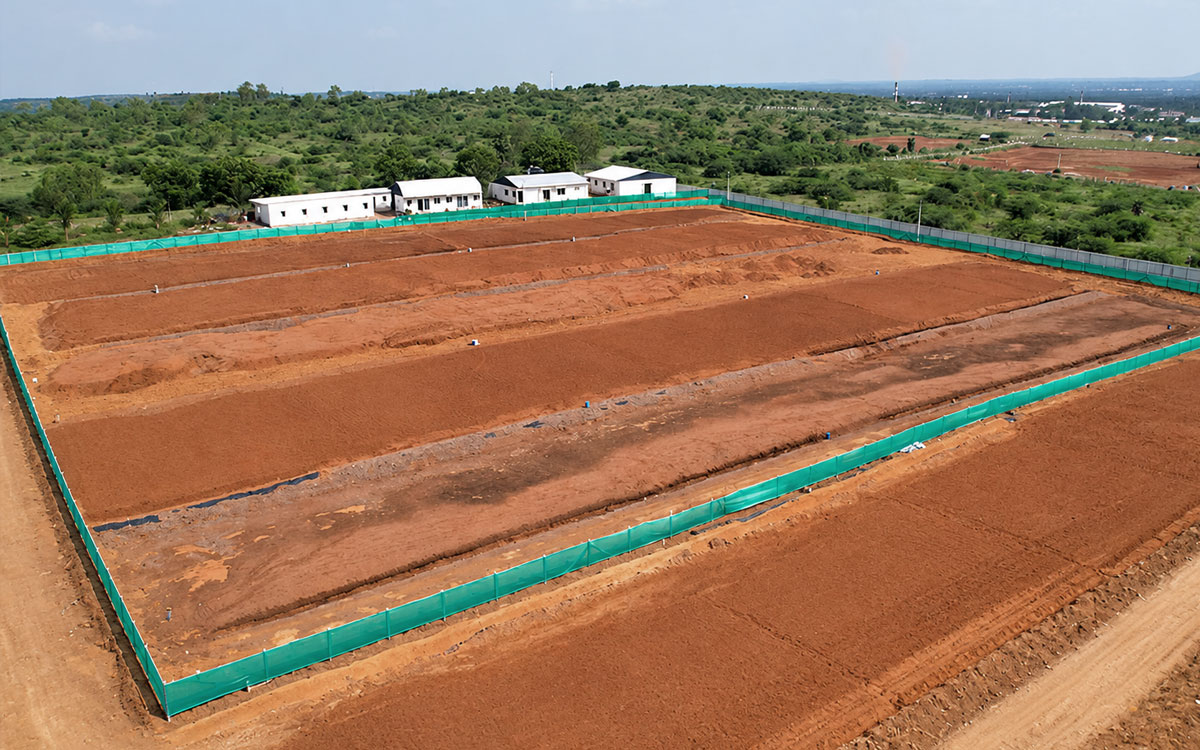
Washing of Coco Peat
The coco peat is washed with fresh water over months (RHP Grade) to reduce salt content and lower electrical conductivity (EC), aiding efficient plant growth. Washing continues until EC levels meet our target range for horticultural use.
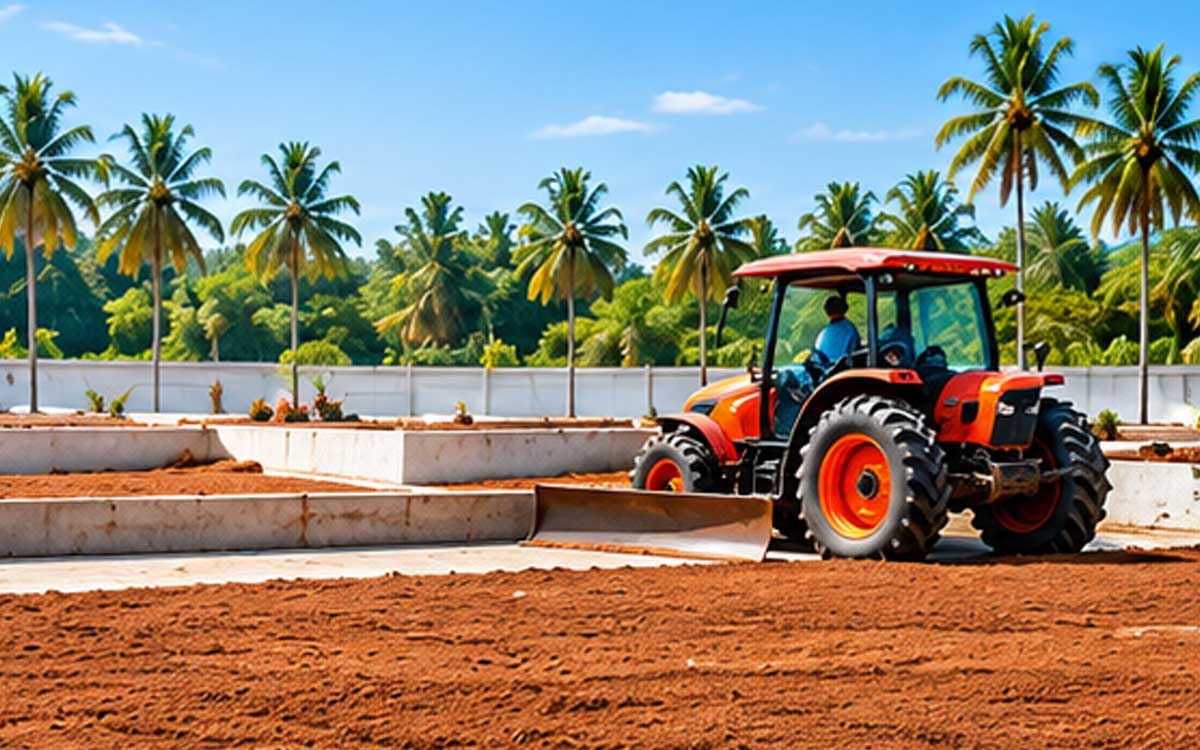
Drying of Coco Peat
The washed coco peat is dried in our concrete yards to reduce moisture content, making it suitable for compacting and logistics. This natural drying process also helps eliminate weeds and harmful pathogens from the material.
Testing and Sorting
The coco peat beds are tested daily to monitor EC and moisture levels prior to production and also monitored across various stages.
Sieving and Blocking
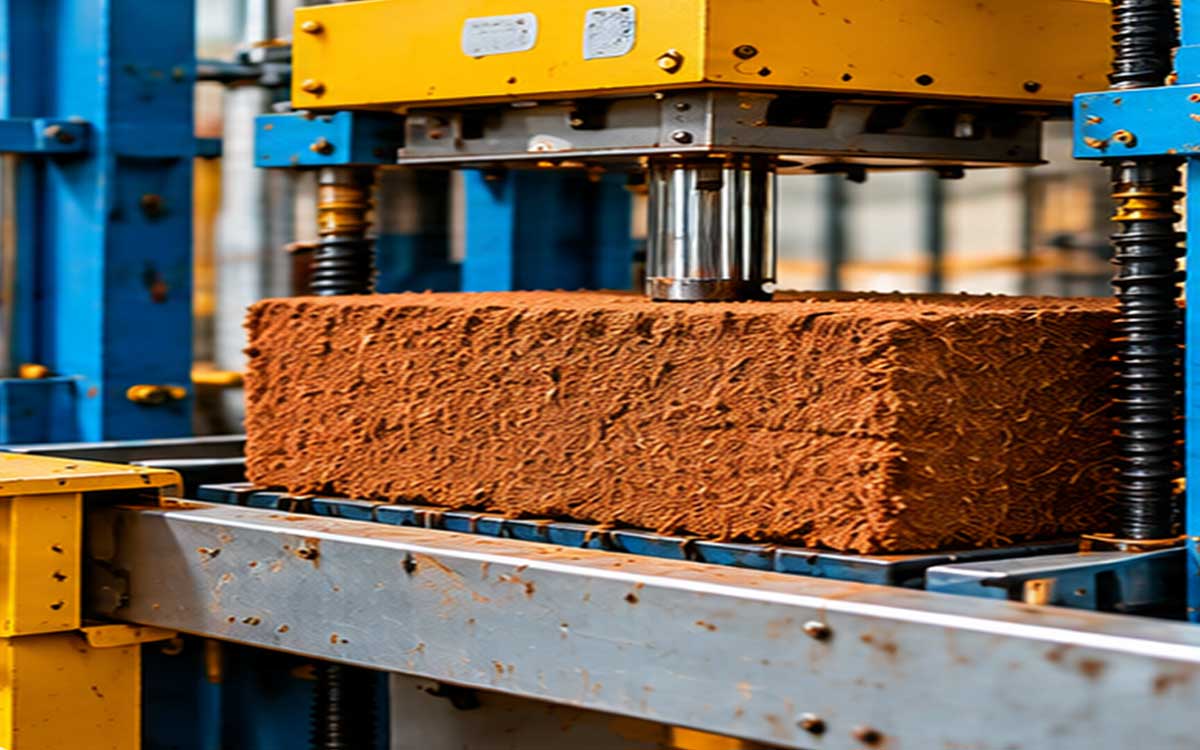
The sorted coco peat is fed into a sieving process to eliminate fine dust particles, then compacted using hydraulic press block machines, yielding 5 kg blocks. Each block is visually inspected before packing to ensure it is free from impurities.
Dispatch
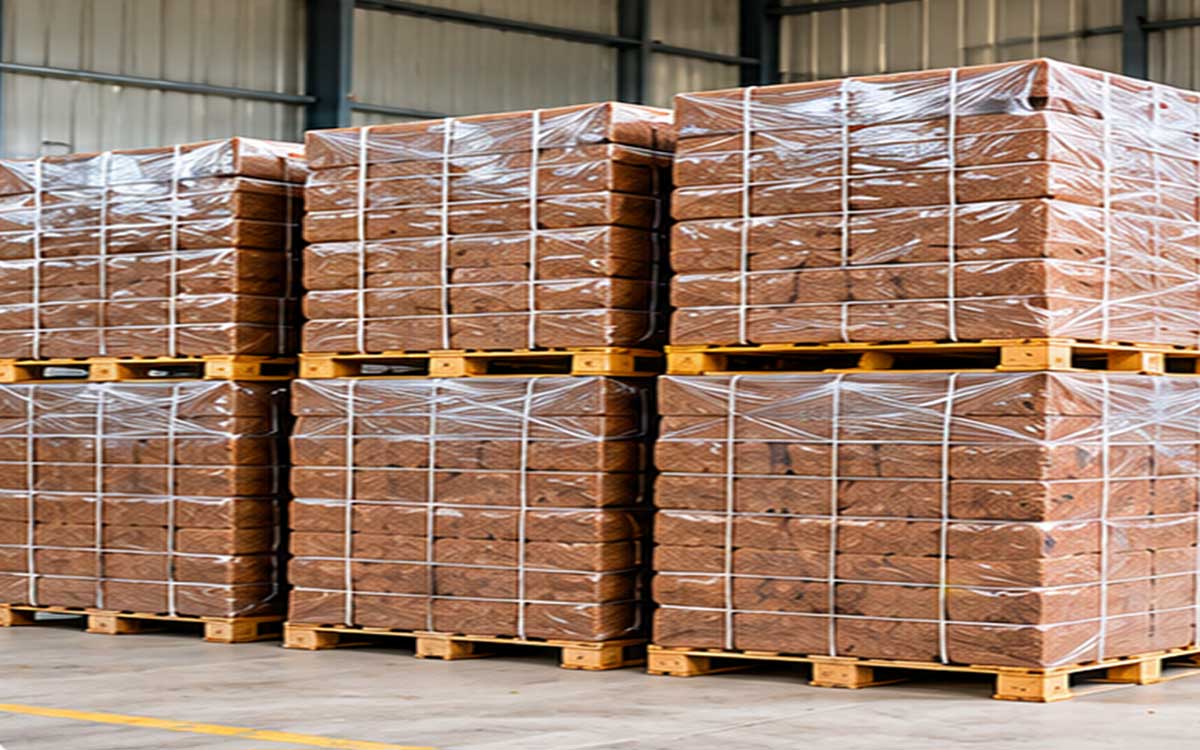
Coco peat is shipped per customer instructions, as bare blocks or palletized blocks, packed in UV-stabilized bags for grow slabs or suitable pallet configurations for blocks, slabs and tops for container loading. Test reports accompany every shipment, and we retain 4–5 blocks per shipment for future quality reference.